

How Conservatism Became the New Pop Culture
When structure becomes content and ideology becomes aesthetic, conservatism doesn’t just survive; it trends.

In an era defined by chaos, cultural fragmentation, and identity performance, conservatism is no longer confined to political campaigns or Sunday sermons. It is now part of the entertainment economy. Traditional values centered on faith, family, gender roles, and moral order — are being recast as aesthetic, narrative, and brand.
From reality TV to influencer feeds, a new version of conservatism is being curated, not through policy, but through content. And people are not just watching. Audiences have also decided to start subscribing.
Mormon Wives, Virality, and the Rise of Soft Conservatism
One of the clearest examples of this trend is the explosion of interest in lifestyle-centered shows that frame traditionalism in aspirational packaging. A reality series following the private lives of modern Mormon wives, for example, has become an unlikely cultural juggernaut. On the surface, the show is about community, motherhood, and friendship, but beneath that lies a deeper cultural pull: the allure of social hierarchy, structure, and clearly defined roles.
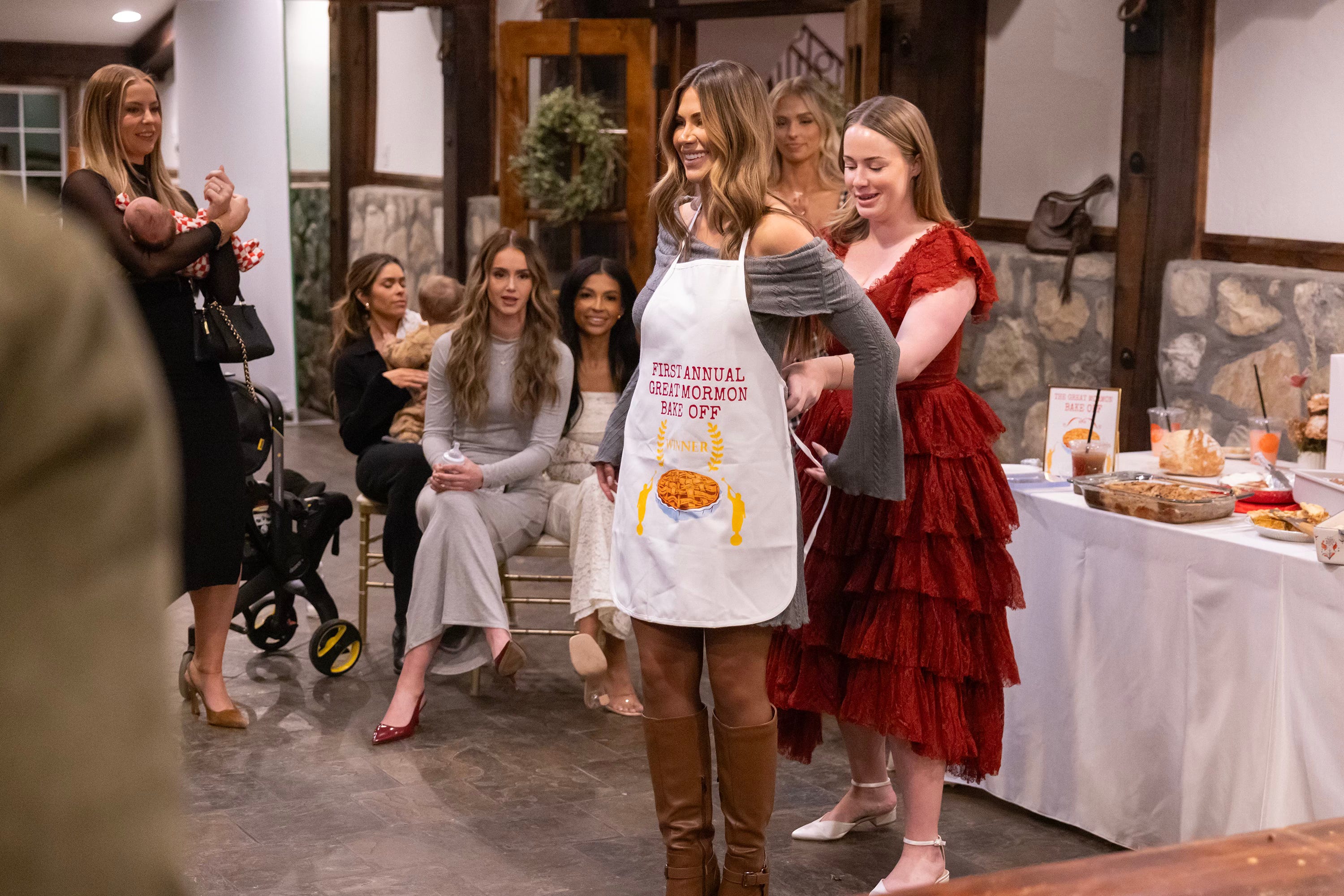
The wives featured in the series are not quietly obedient or strictly religious in the stereotypical sense. Instead, they embody a kind of hybrid womanhood — one part homemaker, one part entrepreneur, one part moral compass. What draws audiences in is not just their drama, but their commitment to family, faith, and femininity as guiding principles. It’s a subtle but powerful reintroduction of conservative values to the mainstream, made palatable through lifestyle content and social media polish.
The Real Housewives of Salt Lake City and Faith as Social Capital
Nowhere is the convergence of faith, identity, and consumerism more obvious than in The Real Housewives of Salt Lake City. While the franchise itself is rooted in excess, performance, and personal branding, the Salt Lake City iteration stands apart for how it incorporates religion — specifically Mormonism — into its social dynamics.
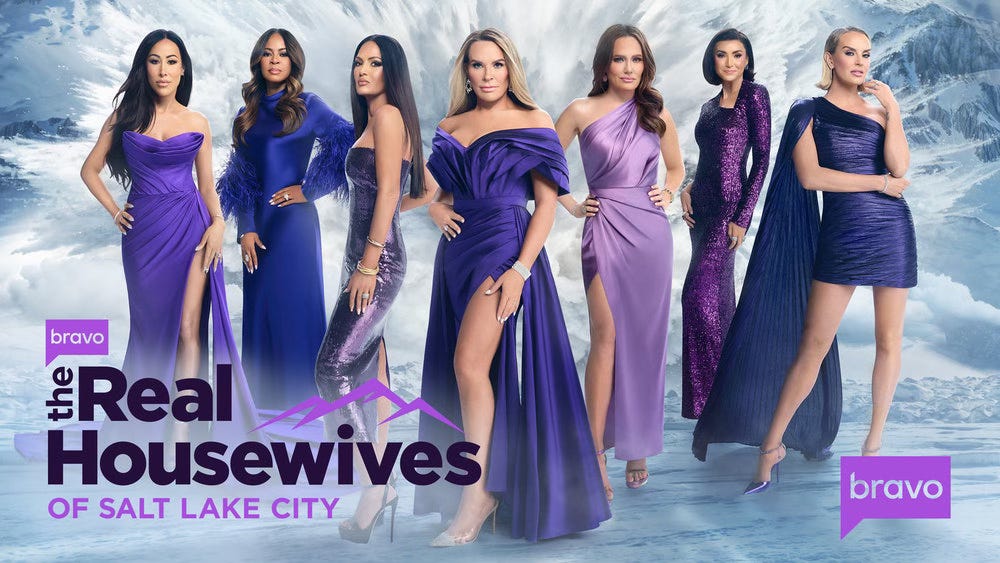
In this world, spiritual affiliation operates less as a private matter and more as a kind of moral currency. Belief becomes a performance, church becomes a power structure, and confession becomes content. The show doesn’t just chronicle personal feuds and luxury spending; it shows how conservative religious values — even when fractured or abandoned — continue to shape how people navigate friendship, ambition, and reputation.
The Chrisley Revival and the Redemption Machine
The return of the Chrisley family to reality TV, despite recent legal scandals and prison time, is another indicator of conservatism’s staying power in entertainment. Their initial appeal was based on a carefully curated image of Christian values, Southern manners, and tight-knit family structure. Even after a dramatic fall from grace, the public remains invested — not in spite of the scandal, but because of the redemption arc it offers.
Theirs is a story that fits neatly into a larger cultural template: devout beginnings, moral failure, public reckoning, and personal renewal. These are not just reality TV beats; they are elements of an American narrative tradition that has always been rooted in sin, judgment, and salvation. In this case, traditional family values are not discarded when broken — they are strengthened when reclaimed.
Tradwives, Femininity, and Algorithmic Conservatism
Parallel to these televised narratives is the rapid rise of the “tradwife” influencer — a digital persona dedicated to promoting traditional femininity, homemaking, and the ideology of wifely submission. But make no mistake: this is not a return to the 1950s. These women are online entrepreneurs, savvy about audience building and monetization. They are selling not just values, but a highly aestheticized version of conservative living.
Their content often features home-baked bread, modest clothing, and affirmations about divine purpose and marital obedience. But underlying the soft visuals is a sharp ideology, one that presents gender hierarchy not as oppression, but as liberation from modern chaos. In this worldview, to be a woman is to embrace limitation, and to embrace limitation is to find peace.

 Tiktok failed to load.
Enable 3rd party cookies or use another browser
What makes this trend especially potent is how it aligns so neatly with algorithmic incentives. The clearer the narrative, the stronger the performance, the more the platform rewards it. Tradwife content spreads not just because it is controversial, but because it is comforting. It speaks to a longing for structure in an overstimulated world.
The Red Pill Economy and the New Patriarchy
While women are leaning into curated submission, a growing class of male influencers are doing the opposite: preaching dominance, control, and the rejection of modernity. Red pill streamers — typically young, male, and hypermasculine — are offering a digital philosophy that encourages men to retreat from emotional vulnerability and embrace traditional masculinity as both lifestyle and survival strategy.
This ideology is less about politics than it is about structure. It tells men that success lies in hierarchy, not equality; in performance, not empathy. Relationships are treated as transactions, and women are often reduced to roles or obstacles. Like tradwife content, red pill media flourishes because it is clear, provocative, and built for engagement. In its most extreme forms, it represents a backlash against a culture that prizes fluidity and uncertainty.
Why Conservative Aesthetics Are Resonating Now
At first glance, it might seem ironic that traditionalist values are being pushed through the most modern of mediums. But this fusion is precisely the point. The success of conservative pop culture today lies in its ability to frame old values as new answers. These narratives do not ask audiences to disengage from the world; they offer tools to navigate it, with clarity, with tradition, with structure.

In a time of economic instability, cultural overstimulation, and endless reinvention, conservative content offers something other genres do not: limits. And in those limits, many people — whether viewers, followers, or subscribers — find relief. These stories promise that not everything must change, that not every identity must be constructed, and that some truths can remain fixed.
Conservatism as Entertainment Strategy
The turn toward conservative values in pop culture is not simply a reflection of social beliefs. It is a strategy, one that understands the emotional needs of audiences and the logic of the algorithm. Traditionalism is now clickable. Gender roles are now content. Faith is now a storyline, not just a private matter.
What was once ideology is now entertainment. And the more relatable or aspirational these values are made to look, the more influence they hold over the cultural imagination.
What This Means for the Future of Pop Culture
We are watching the rise of a new narrative form. A narrative in which conservatism is not argued for but modeled, performed, and packaged. It is being adapted for a generation raised on ambiguity but hungry for answers. These shows, influencers, and digital movements are not simply nostalgic; they are strategic. They reflect an understanding that people want more than entertainment. They want clarity. They want rules. They want something that feels like meaning.
As long as conservative values are presented through accessible and entertaining formats like reality TV and social media influencers, conservatism will continue to thrive and evolve within popular culture. Whatever is trending in pop culture almost always reflects what is happening in our current political arena.
Is there a chance the cultural pendulum will swing back to the left? Only time will tell.